


Building Inclusive Workplaces: Affirmative Action and the LGBTQ+ Community


Hello Hello Hello our Family, Friends, Allies and our AngelicTroublemakers out there. I hope everyone has been doing well and the vibes have been chill. Our topic today will discuss affirmative action and the LGBTQ community in workplaces.
Creating a fair, supportive environment in the workplace and in higher education requires intentional effort. Two key concepts often surface in discussions about equality: Affirmative Action and LGBTQ+ Inclusivity.
Understanding how these ideas overlap helps explain why intentional efforts remain necessary to ensure everyone gets a fair shot at success.
What Is Affirmative Action?
At its core, affirmative action consists of policies designed to break down barriers for underrepresented groups. It is not about favoring unqualified individuals; rather, it ensures qualified candidates receive equal consideration by actively addressing systemic bias in recruitment, hiring, and promotion.
Historically, these policies focused primarily on race and gender. Today, the broader goal involves creating balanced environments where talent from all backgrounds can thrive.
Why the LGBTQ+ Community Needs Targeted Support:
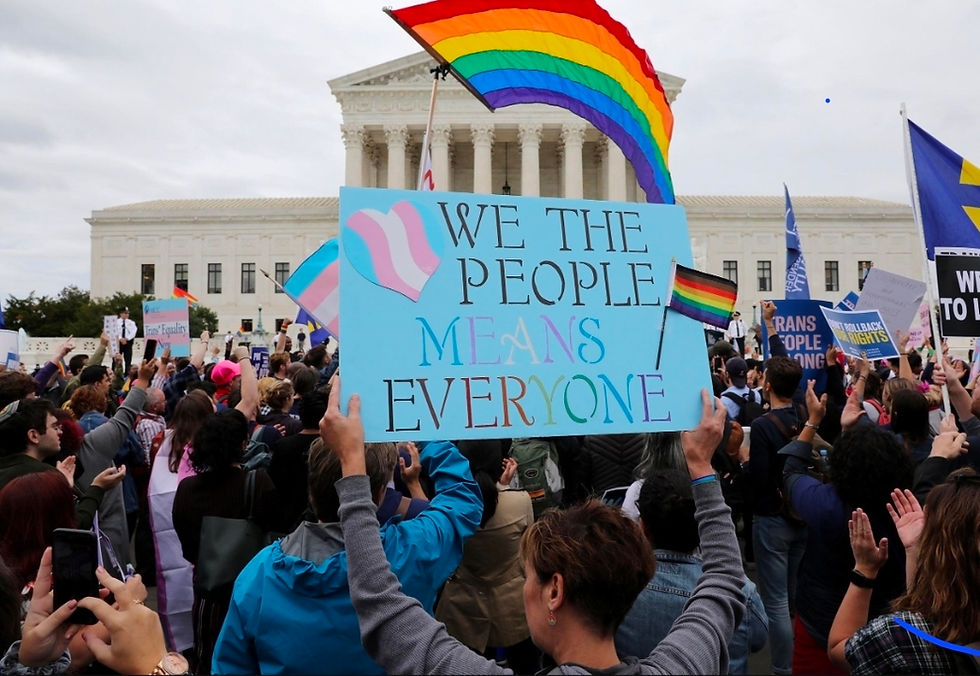
Despite significant progress in civil rights such as the landmark 2020 U.S. Supreme Court ruling in Bostock v. Clayton County, which affirmed that federal law protects workers from discrimination based on sexual orientation and gender identity—the LGBTQ+ community still faces distinct challenges:
Workplace Bias: LGBTQ+ individuals, particularly transgender individuals and people of color within the community, report higher rates of workplace harassment and unequal pay.
Fear of Disclosure: Many employees hide their identity at work out of fear that being open could cost them a promotion, assignment, or professional relationship.
Underrepresentation: Diverse voices remain absent from executive roles and boardrooms, limiting the perspectives that shape organizational decisions.
How Inclusive Affirmative Action
Makes a Difference
Expanding diversity and inclusion initiatives to explicitly welcome and support the LGBTQ+ community benefits organizations in several key ways:
Wider Talent Search: Actively recruiting from diverse talent pools allows organizations to hire top talent they might otherwise miss.
Safer Workplace Culture: Establishing clear protection policies and internal resource groups encourages employees to bring their whole, authentic selves to work.
Stronger Innovation: Teams with varied life experiences bring diverse perspectives, driving creative problem-solving and stronger results.
Conclusion
True equality goes beyond simply prohibiting discrimination; it requires actively building environments where everyone can succeed. Incorporating LGBTQ+ protections into broader inclusion and affirmative action efforts helps level the playing field. When workplaces intentionally remove barriers for underrepresented groups, they create stronger, fairer, and more innovative communities for everyone.

Comments